JOINT SEALANT SYSTEMS
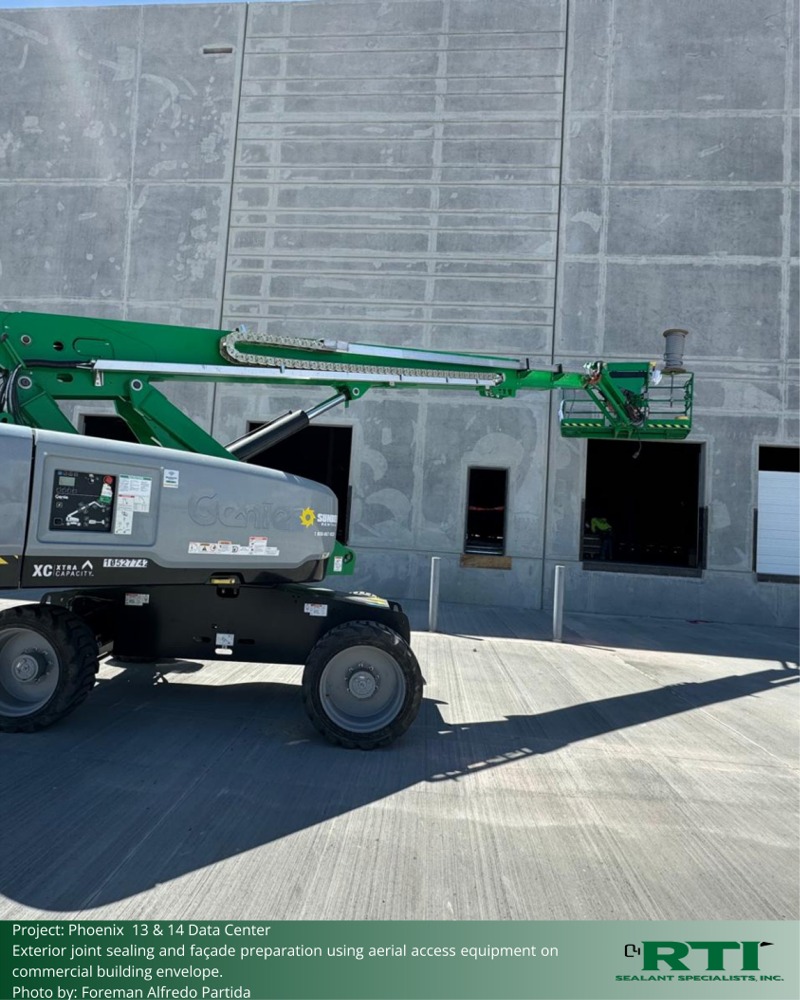
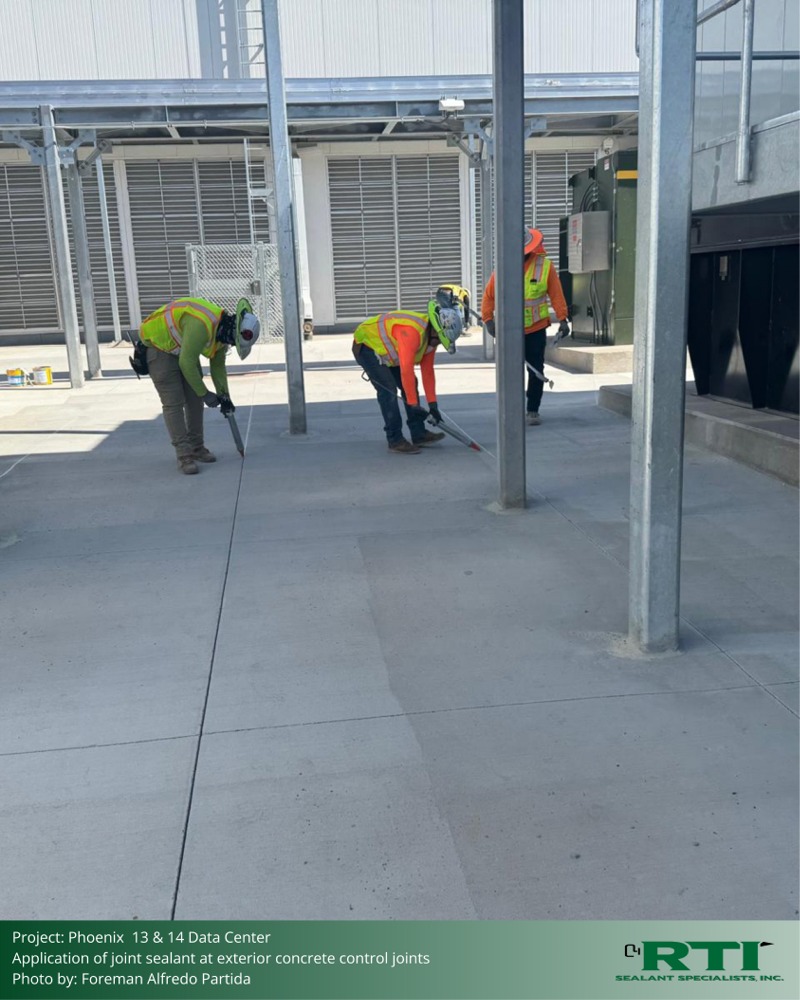
RTI installs joint sealant systems that control movement, prevent water intrusion, and protect the integrity of the building envelope. Properly installed joint sealants reduce leaks, minimize call-backs, and lower long-term warranty exposure on complex projects. RTI’s work also supports continuity at envelope transitions, including conditions related to air and moisture control assemblies.

Why Joint Sealant Systems Matter
Joint failures are a common source of envelope leaks and post-handover issues. Improper surface preparation, incorrect material selection, or poor sequencing can result in premature failure and costly remediation.
RTI’s Role
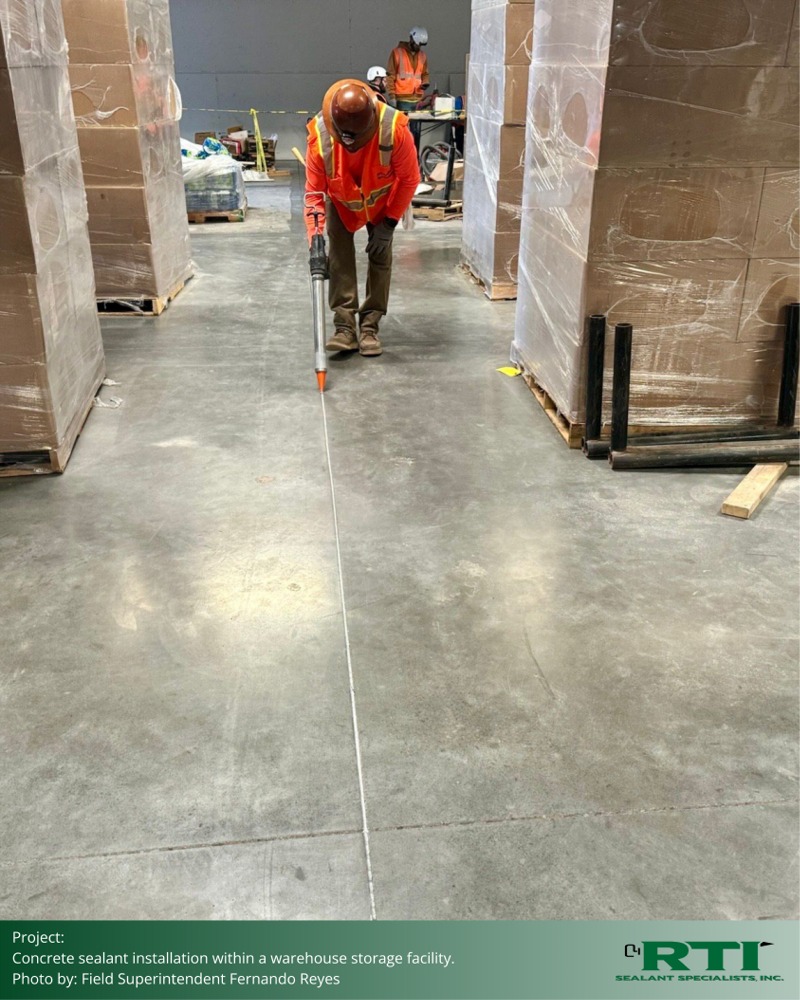
RTI installs joint sealant systems with a focus on substrate compatibility, movement capability, and long-term performance. Systems are executed with clear scope definition and coordination with adjacent trades to reduce conflicts and RFIs.
Typical Applications
- Vertical and horizontal façade joints
- Control and expansion joints
- Interface conditions between dissimilar materials
- High-movement and high-exposure areas
- Envelope transitions supporting air and moisture control continuity
Value to the Project Team
- Movement accommodated without damage
- Protection of finishes and adjacent trades
- Reduced long-term maintenance and repair
Discuss This Scope Early to Reduce Risk